
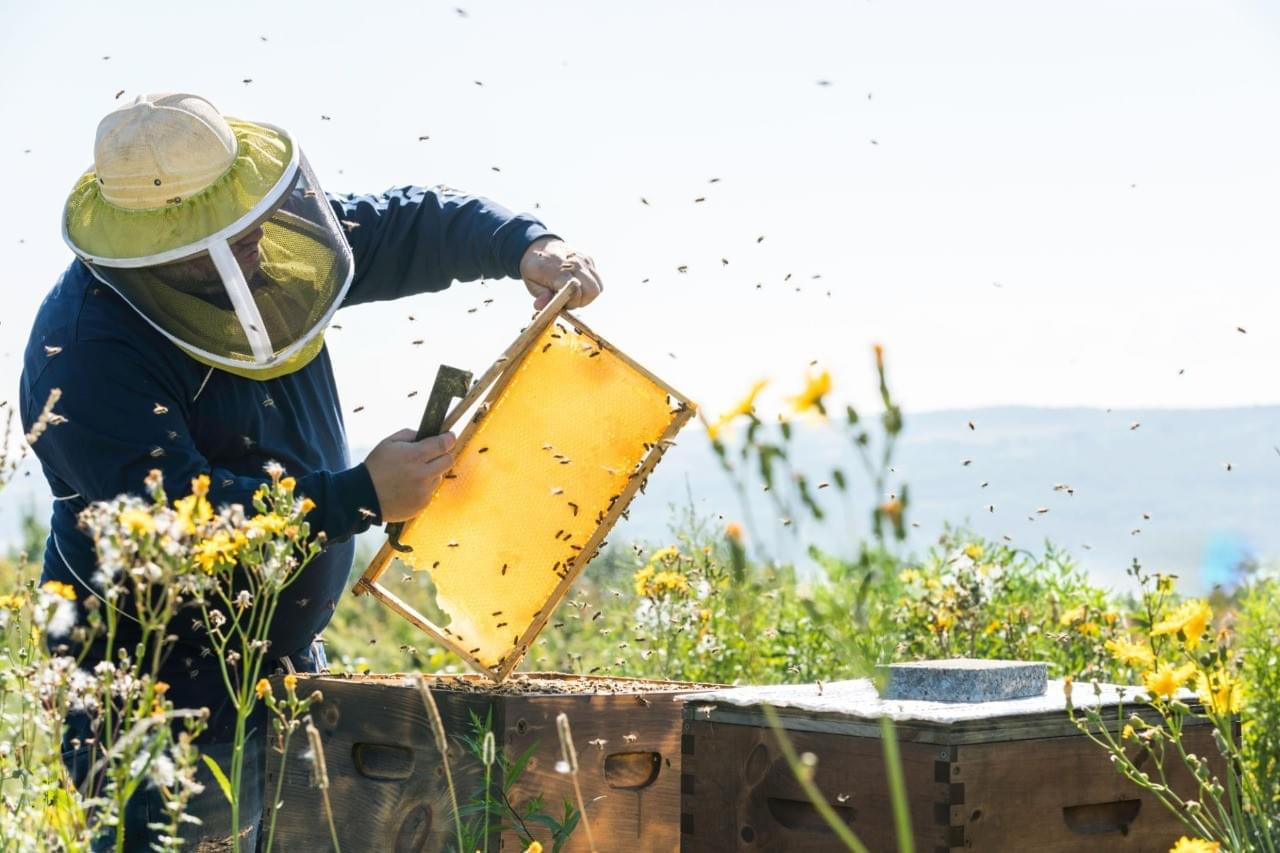
As the days lengthen and the first blossoms unfurl, a buzz of activity returns to the apiary. Spring marks a crucial period for beekeepers, a time when diligent management lays the foundation for thriving colonies and a generous honey harvest. Mastering the art of spring beekeeping is essential for both the health of your bees and the success of your beekeeping endeavors. This comprehensive guide will walk you through the key techniques of spring bee management, ensuring your colonies emerge strong and ready to capitalize on the season’s bounty.
Table of Contents
Toggle1. Assessing Your Bee Colony’s Spring Awakening
The first warm days of spring, when temperatures consistently hover above 50°F (around 10°C), signal the time for your initial spring hive inspection. This crucial step in spring beekeeping allows you to gauge the overall health and strength of your colonies after the winter months.
Evaluating the Queen’s Performance
A healthy and productive queen is the cornerstone of a strong hive. During your inspection, carefully look for the queen. Observe her abdomen – a well-mated queen will have a noticeably larger abdomen, indicating active egg-laying. Examine the brood pattern on the frames. A solid, compact pattern of capped brood signifies a healthy and fertile queen. Spotty or scattered brood patterns could indicate issues with the queen’s health, age, or mating. Note the presence of eggs and young larvae, further confirming the queen’s continued productivity. If you find the queen is failing or absent, now is the time to consider requeening.
Gauging Bee Population Density
A robust bee population is vital for successful spring development and eventual honey production. Assess the number of bees present in the hive. Are there enough bees to adequately cover the brood and maintain hive temperature? A strong colony will have several frames well-covered with bees. A weak colony might struggle to raise sufficient brood and could be more susceptible to pests and diseases. Consider uniting weak colonies with stronger ones if necessary, but only if both are disease-free. Remember, a strong start in spring beekeeping hinges on having a sufficient workforce.
2. Optimizing the Beehive Environment for Spring Growth
Creating an ideal environment is paramount for encouraging rapid colony growth in the spring. This involves careful consideration of hive placement and ventilation.
Maximizing Sunlight Exposure
Positioning your hives to receive ample morning sunlight is a key aspect of effective spring bee management. Morning sun helps to warm the hive quickly, encouraging earlier bee activity and foraging. This early start allows bees to collect more pollen and nectar, fueling brood rearing. Ensure the hive entrance faces southeast if possible, to capture the early rays. However, be mindful of excessive afternoon sun in hotter climates, which could lead to overheating. In such cases, providing some afternoon shade might be beneficial.
Ensuring Proper Ventilation
Good ventilation is crucial year-round, but it’s particularly important in the spring. Proper airflow helps to prevent the buildup of moisture inside the hive, which can lead to the development of mold and fungal diseases. It also helps to regulate hive temperature, preventing overheating on warmer spring days. You can improve ventilation by slightly propping open the inner cover or using screened bottom boards. Observe your bees’ behavior – if they are clustering at the entrance on warm days, it’s a sign that they might need more ventilation.
3. Fueling Spring Growth: Providing Essential Food Resources
As bees emerge from winter, their stored food reserves might be depleted. Providing supplemental feeding can be crucial for supporting rapid brood development during this critical phase of spring beekeeping.
The Importance of Pollen Supplementation
Pollen is the primary source of protein, fats, vitamins, and minerals for bees, and it is essential for brood rearing. If natural pollen sources are scarce in your area during early spring, supplementing with pollen patties or dry pollen substitute is highly recommended. These supplements provide the necessary nutrients for young bees to develop into healthy workers. Place pollen patties directly on top of the brood frames or provide dry pollen substitute in a feeder inside or near the hive. Observe the bees’ consumption – this will give you an indication of their needs.
Strategic Sugar Syrup Feeding
While nectar provides carbohydrates, sugar syrup can be a valuable tool in early spring to stimulate the queen’s egg-laying and provide energy for the colony. A light sugar syrup solution (1:1 ratio of sugar to water) is generally recommended for spring feeding. Avoid overfeeding, as this can discourage bees from foraging for natural nectar once it becomes available. Monitor the colony’s food stores and provide sugar syrup only when necessary, such as when natural nectar flow is poor or the colony appears to be low on reserves. Remember, the goal is to supplement, not replace, natural foraging.
4. The Art of Swarm Management in Spring
As colonies grow rapidly in the spring, they may become overcrowded, leading to the natural process of swarming. While natural swarming is a sign of a healthy colony, it can result in a significant loss of bees and honey production for the beekeeper. Understanding and implementing effective swarm management techniques is a vital aspect of spring beekeeping.
Recognizing the Signs of Impending Swarming
Being able to identify the signs that a colony is preparing to swarm is crucial for timely intervention. Look for the development of swarm cells – queen cells typically found along the bottom edges or sides of the frames. An increase in drone brood and a noticeable decrease in the queen’s laying rate can also indicate impending swarming. The bees might also appear more agitated or crowded within the hive.
Implementing Artificial Swarming Techniques
Artificial swarming involves creating a new colony from the existing one, effectively mimicking the natural swarming process but under the beekeeper’s control. Several methods exist, including the Demaree method, the nucleus method, and the split method. The best method for you will depend on the strength of your colony and your specific goals. Generally, the process involves separating the queen and a portion of the worker bees and brood into a new hive, leaving the original hive with the remaining bees and brood to raise a new queen. This prevents the loss of the original queen and a large portion of the worker bees.
Spring Beekeeping: Essential Precautions for Success
While focusing on growth and production, it’s crucial not to overlook essential precautions that ensure the long-term health and well-being of your bee colonies.
Minimizing Hive Disturbances
While regular inspections are necessary, it’s important to minimize unnecessary disturbances to the hive. Excessive handling of frames and prolonged periods with the hive open can stress the bees and disrupt their activities, especially during brood rearing. Work efficiently and calmly during inspections, and close the hive as soon as possible.
Vigilance Against Bee Diseases
Spring is a time when bee diseases can proliferate if not carefully monitored. Regularly inspect your colonies for signs of common bee diseases such as American Foulbrood (AFB) and European Foulbrood (EFB). Look for unusual brood patterns, discolored or sunken cappings, and any foul odors. Early detection and treatment are crucial for preventing the spread of these diseases. Consider implementing preventative measures such as using disease-resistant bee stock and maintaining good hive hygiene.
Protecting Against Temperature Fluctuations
Spring weather can be unpredictable, with warm days often followed by cold nights. These temperature fluctuations can stress the developing brood. If nighttime temperatures are expected to drop significantly, consider providing additional insulation to the hive, such as wrapping it with insulating material or placing a heavy object on top of the inner cover to help retain heat.
Conclusion: Cultivating Success in Spring Beekeeping
Spring beekeeping is a dynamic and rewarding aspect of apiculture. By understanding the specific needs of your bees during this crucial season and implementing these spring bee management techniques, you can ensure the health and vitality of your colonies, leading to increased honey production and a thriving apiary. Remember to stay observant, adapt your management strategies to your local climate and conditions, and enjoy the buzz of a successful beekeeping season!
Frequently Asked Questions (FAQ) About Spring Beekeeping
- When is the best time to start spring beekeeping management? The ideal time to begin your spring beekeeping management is when daytime temperatures consistently reach above 50°F (around 10°C). This usually occurs in early to mid-spring, depending on your geographic location.
- How often should I inspect my bee colonies in the spring? Initially, a thorough inspection in early spring is essential. After that, aim for inspections every 10-14 days to monitor colony growth, queen health, food stores, and signs of swarming or disease.
- What are the key indicators of a healthy queen in the spring? Key indicators of a healthy queen include a strong, consistent brood pattern, the presence of eggs and young larvae, and a visible queen with a well-developed abdomen actively laying eggs.
- Is supplemental feeding always necessary in the spring? Supplemental feeding may not always be necessary if natural nectar and pollen sources are abundant. However, it’s crucial to monitor your colony’s food stores and provide supplementation (pollen patties and/or sugar syrup) if reserves are low or natural forage is scarce, especially during rapid brood development.
- How can I prevent my bees from swarming in the spring? Preventing swarming involves several strategies, including ensuring the queen has enough space to lay eggs (by adding honey supers), removing swarm cells, and implementing artificial swarming techniques if the colony becomes overcrowded.