
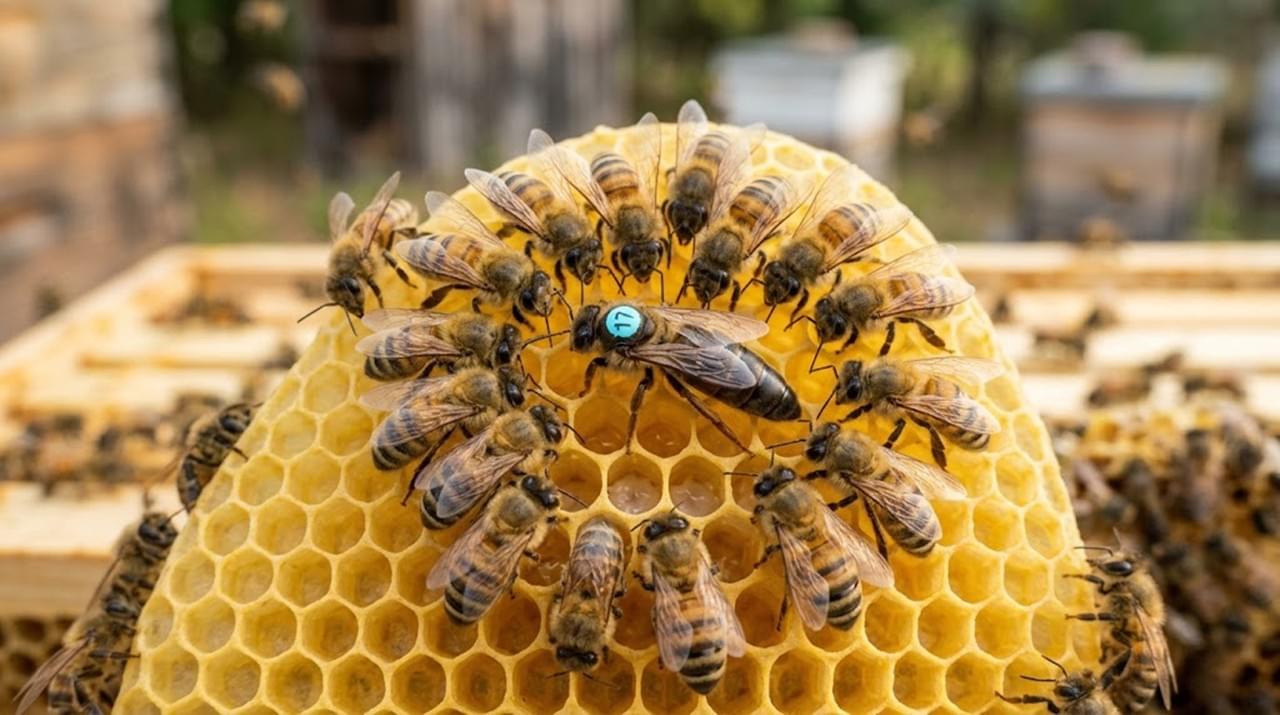
In this comprehensive guide, we will explore exactly how you can utilize advanced genetic selection to dramatically improve honey colony quality and send your seasonal production soaring. Whether you manage ten backyard nucs or ten thousand commercial pallets, mastering these foundational skills is an absolute game-changer.
Table of Contents
ToggleWhy Elite Genetics Matter
Before you start pulling frames to graft larvae, you need a crystal-clear roadmap. The primary goals of this practice revolve around three critical pillars: fighting off diseases, maximizing productivity, and ensuring gentleness. Let’s break down how targeted selection transforms these areas.
🐝 Are you looking to master queen bee breeding? If you are tired of pouring your heart into your apiary only to see wildly inconsistent results, you are not alone. Some colonies naturally thrive, producing mountains of capped honey, while others constantly struggle with pests and weak populations. If you want to level up your operation, the secret isn’t just spending more hours in the bee yard—it’s about focusing on superior genetics. This ultimate step gives you complete control over your apiary’s future. By intentionally propagating the absolute best traits, you turn a hit-or-miss hobby into a highly predictable and highly profitable business.
1. Queen Bee Breeding for Bulletproof Disease Resistance 🛡️
We all know the financial sting and heartbreak of losing a highly productive colony to devastating brood diseases or sudden mite infestations. The key to stopping this frustrating cycle is selecting strictly from survivor stock. These are the rare, exceptional colonies that naturally demonstrate strong hygienic behavior and an innate ability to fight off environmental pathogens. For comprehensive strategies on integrated pest management, the Honey Bee Health Coalition offers excellent baseline resources. By focusing your queen bee breeding efforts on these tough survivors, you build a remarkably resilient apiary. Imagine relying significantly less on expensive chemical treatments and more on the natural biological strength of your bees.
2. Queen Bee Breeding for Unmatched High Yields 🍯
Your operational success is heavily tied to raw productivity. You want aggressive foragers that build up explosively in the early spring, work relentlessly through the main nectar flow, and pack away massive amounts of winter stores. Effective genetic targeting allows you to pinpoint your absolute top honey producers and securely lock in their genetics for all future generations. It is simple math: better mothers lead to vastly stronger worker populations, which directly translates to much heavier supers ready for your commercial honey extractors when harvest time arrives.
3. Queen Bee Breeding for a Gentle Temperament 🧘
Let’s be brutally honest—working a yard full of aggressive, defensive bees is physically exhausting and quickly drains the joy right out of our craft. By intentionally prioritizing a calm, manageable temperament, you ensure significantly safer working conditions for yourself and your crew. Gentle bees are vastly easier to inspect and manipulate. You can process more hives in far less time without needing to wear heavy, restrictive beekeeping protective suits during the sweltering heat of the summer months.
Selecting Your “Unicorns” and Tracking Progress 📈
You cannot bake a Michelin-star cake with subpar ingredients, and you certainly cannot raise superior stock without starting with elite genetic material. Identifying your breeder colonies is arguably the most defining step in this entire journey. This requires keen, objective observation over an extended period. Look for the undeniable “unicorns” in your yard: the hive that overwintered with extreme vigor on minimal stores, or the one that produced double the volume of its neighbor under the exact same conditions.
To do this successfully, you must establish formal, written tracking programs. Give every single hive a unique ID number and log every inspection accurately. Over several seasons, this hard data reveals undeniable trends. For detailed insights on scientific insect data tracking, we highly recommend reviewing the resources provided by the USDA Agricultural Research Service, which will help you standardize your record-keeping protocols.
Proven Methods to Propagate Your Elite Queens 👑
Once you have successfully identified your top performers, you need to propagate them efficiently. Breeders typically utilize two main avenues depending on the scale and precision of their operation. Both have distinct advantages and require different levels of investment.
4. Queen Bee Breeding via Natural Mating Environments 🌳
Natural mating is exactly how nature intended the reproductive process to unfold. Virgin females fly to Drone Congregation Areas to mate mid-air. While highly cost-effective and accessible, you cannot strictly control the drones. To succeed here, savvy beekeepers intentionally “flood” the area surrounding their mating yards with drone-producing hives headed by exceptional mothers. This heavily tips the genetic scales, maximizing your chances of favorable combinations while employing natural bee mating techniques and utilizing high-quality queen rearing tools to keep your operational costs remarkably low.
5. Artificial Insemination for Microscopic Precision 🔬
Instrumental insemination offers microscopic precision for advanced operators. Using specialized laboratory apparatus, a highly trained technician collects semen from specifically chosen drones to manually inseminate a virgin. This highly technical method guarantees exact maternal and paternal genetics, allowing for the rapid isolation of specific behavioral traits. While the laboratory equipment is a significant upfront financial investment, the genetic leap forward is completely unmatched for serious commercial apiaries looking to scale rapidly.
Real-World Success: The Russian Honey Bee Case Study 🇷🇺
If you find yourself wondering whether this meticulous effort yields tangible, real-world results, look no further than the renowned Russian honey bee. Originating from the rugged terrain of eastern Russia, these resilient bees naturally coexisted with deadly mites for well over a century.
As documented by the USDA Honey Bee Breeding Research division, these varroa mite resistant bees demonstrate extreme hygienic behavior globally. They actively bite, groom, and aggressively remove parasites directly from the hive environment. This scientifically documented, genetically inherited trait drastically reduces apiary reliance on harsh chemical interventions, serving as a permanent testament to the pure power of genetics.
Equipping Your Apiary for the Next Level 🛠️
Embarking on this genetic journey requires far more than just basic knowledge and dedication; it demands professional-grade tools you can rely on daily. To successfully raise high-quality stock, specialized hardware is non-negotiable. If you genuinely want to set your apiary up for long-term commercial success, we highly recommend utilizing comprehensive, industry-leading product lines.
Having the right cell cups, grafting pens, and incubation setups makes all the difference in queen acceptance rates. Explore the premium hardware selections by visiting the complete Delee Beekeeping Equipment catalog to upgrade your infrastructure today. Investing in your genetics and proper equipment now ensures your overall colony health and seasonal honey yields will reach absolutely unprecedented heights in the many seasons to come.