
Table of Contents
ToggleTaming the Buzz with the Beekeeper’s Most Essential Tool
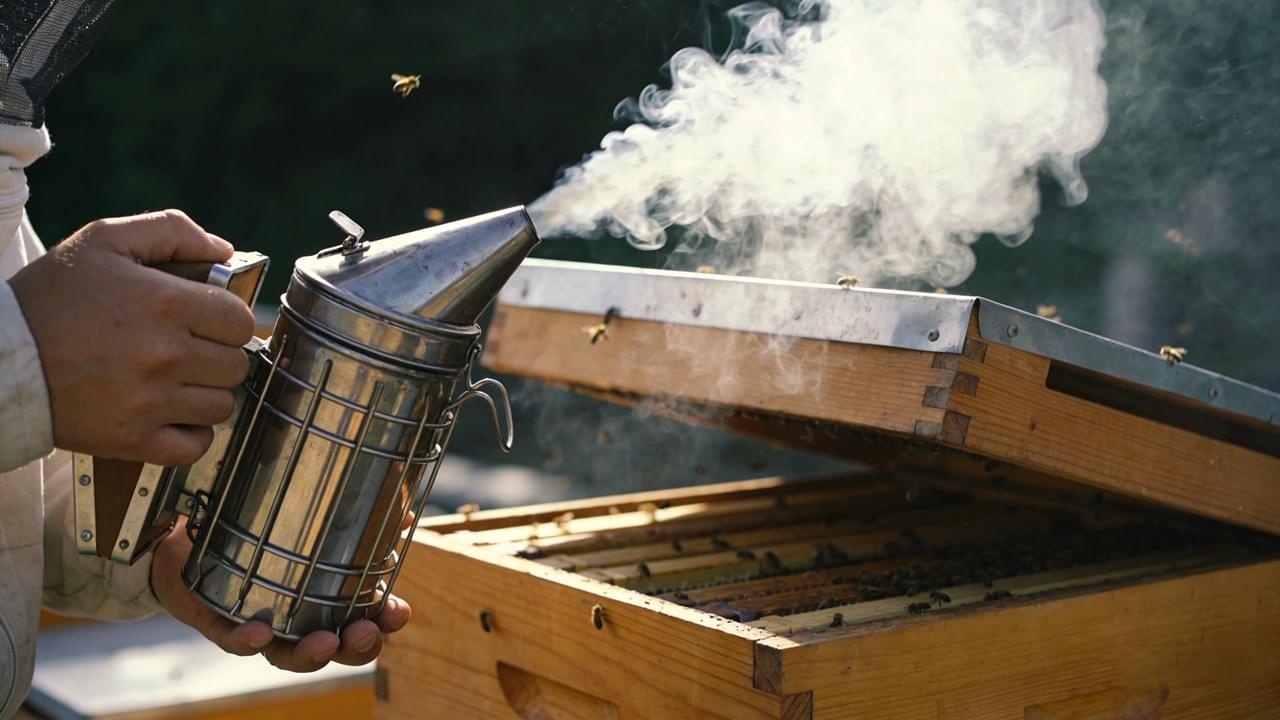
In the intricate, rewarding world of beekeeping, one tool reigns supreme as the great peacemaker: the bee smoker. It is not an instrument of force, but a gentle mediator that transforms a defensive, high-alert colony into a calm, cooperative workforce. For both the novice and the seasoned professional, mastering the art of the smoke is critical for safe, efficient, and enjoyable hive management. Your competence in using the smoker directly correlates with the overall stress level of your bees and your personal stinging record. If you aim to be a master beekeeper, you must first master Bee Smoker Techniques. This comprehensive guide will transform your approach, showing you how to apply smoke with precision and respect, ensuring minimal disruption when you manage your hive. Calming Bees Safely is not an accident; it is the result of proper technique.
The Science of Serenity: Why Smoke Works
To use the smoker effectively, we must first appreciate the fascinating biology at play. When a hive feels threatened, guard bees release powerful alarm pheromones—a chemical signal that rallies the colony to defense. Smoke, specifically cool, thick smoke, achieves two profound objectives:
- Pheromone Masking: The smoke physically disrupts and masks the airborne alarm pheromones, jamming the bees’ communication channel and preventing a coordinated attack.
- Survival Instinct Activation: More importantly, the smoke triggers the bees’ ancient, primal response to a forest fire. Their immediate focus shifts from defense to survival. They instinctively gorge themselves on honey, preparing to abandon the hive. A bee full of honey is a docile bee, as the engorgement prevents them from flexing their abdomen to sting effectively.
Understanding this mechanism is the foundation of great Bee Smoker Techniques. It reminds us that our goal is never to blast the colony, but to gently signal a change in environment.
Mastering Bee Smoker Techniques: Choosing the Right Fuel 🪵
The defining characteristic of an expert’s smoke is its temperature and consistency: it must be cool, white, and voluminous. Hot, thin smoke will irritate and anger the bees, defeating the purpose entirely. The secret lies in selecting and preparing the right materials.
Seeking the Perfect Cool Smoke Fuel
The best fuels are natural, slow-burning, and non-toxic. Excellent choices include:
- Burlap: Provides a heavy, long-lasting, and cool smoke.
- Dry Pine Needles: Abundant and offer a pleasant, gentle aroma.
- Rotting Wood (Punk): Traditional and highly effective, producing extremely cool smoke once dried.
Pro-Tip: Always avoid chemically treated materials or anything that produces acrid fumes. Your bees breathe this, and your honey can absorb the odors.
The Three-Layer Lighting Method
For a reliable burn, use this method:
- Base Layer (The Starter): Place highly flammable material (newspaper, small dry tinder) at the bottom. Light it thoroughly and ensure a strong bed of coals.
- Core Layer (The Transition): Add medium fuel (bark chips, medium pine needles). Tamp gently and pump the bellows until the smoke becomes thick and white.
- Topping Layer (The Cooler): Fill the rest with your main, dense fuel (burlap, packed wood). Place a handful of fresh grass or a large, green leaf over the very top opening. This acts as a vital “scrubber,” guaranteeing Cool Smoke Fuel reaches the hive.
7 Essential Bee Smoker Techniques for Seamless Hive Management 🐝
Your application technique is everything. Use the absolute minimum amount of smoke necessary to maintain calm.
1. The Entrance Puff: A Core Bee Smoker Technique
Before removing the lid, direct one or two gentle puffs into the hive entrance. This gives the guard bees the initial warning and starts the honey-gorging process. Wait 15 to 30 seconds for the smoke to circulate.
2. The Crucial Wait: Part of Effective Bee Smoker Techniques
Gently lift the outer cover and place it upside down on the ground. Before touching the inner cover, direct 2-3 soft puffs into the space between the two covers. Wait another 30 seconds. This patience is key to Calming Bees Safely.
3. Gentle Sweep: Advanced Bee Smoker Techniques
When you lift the inner cover, avoid blasting smoke directly onto the bees. If they start to “climb” or appear agitated, use a wide, gentle, sweeping motion over the tops of the frames. The movement should drive them down without scattering them.
4. Spot-Treating Defensive Bees
If you encounter a defensive cluster on a frame or in a corner, target the smoke above the cluster, allowing the smoke to drift down naturally. A single, focused puff is often better than a sustained blast.
5. The Fuel Stack Method
Ensure your smoker is consistently packed well. A loosely packed smoker burns too hot and fast, producing stinging smoke. A densely packed stack ensures a slow burn and optimal cool smoke.
6. Constant Monitoring
Keep the lit smoker within arm’s reach throughout the inspection. If you notice increased air traffic near your veil or hear an escalating buzz, preemptively apply a quick, light puff over the box opening. This subtle management technique saves time and stings.
7. Post-Inspection Smoker Care: Completing Your Bee Smoker Techniques
Once your inspection is complete and you’ve closed the hive, it’s vital to handle your equipment properly. For long-term functionality, proper Beekeeping Equipment Maintenance is a must. Learn more about the lifespan of beekeeping equipment here. Clean out the ash and residue to prevent corrosion and tar buildup. A clean smoker is a reliable smoker.
Essential Beekeeping Equipment Maintenance: Protecting Your Investment 🛠️
Your smoker, along with your hive boxes and accessories, protective gear, and honey extractors, is part of your total investment. After using the smoker, allow it to cool completely, then use a hive tool to scrape out the ash and tar residue from the fire chamber and nozzle. This simple act of Beekeeping Equipment Maintenance ensures the air holes remain clear, allowing you to generate the thick, cool smoke required for the next hive opening. Remember that reliable equipment is a prerequisite for Calming Bees Safely and effectively.
The Master Beekeeper’s Gentle Touch ✨
Mastering Bee Smoker Techniques is the clearest marker of a highly skilled beekeeper—one who respects the colony and minimizes stress. By prioritizing Cool Smoke Fuel, learning the three-layer method, and applying the smoke with thoughtful sweeps rather than aggressive blasts, you will enjoy calmer bees, fewer stings, and more productive inspections. Embrace this gentle art, and you will not only manage your bees but truly connect with them.