
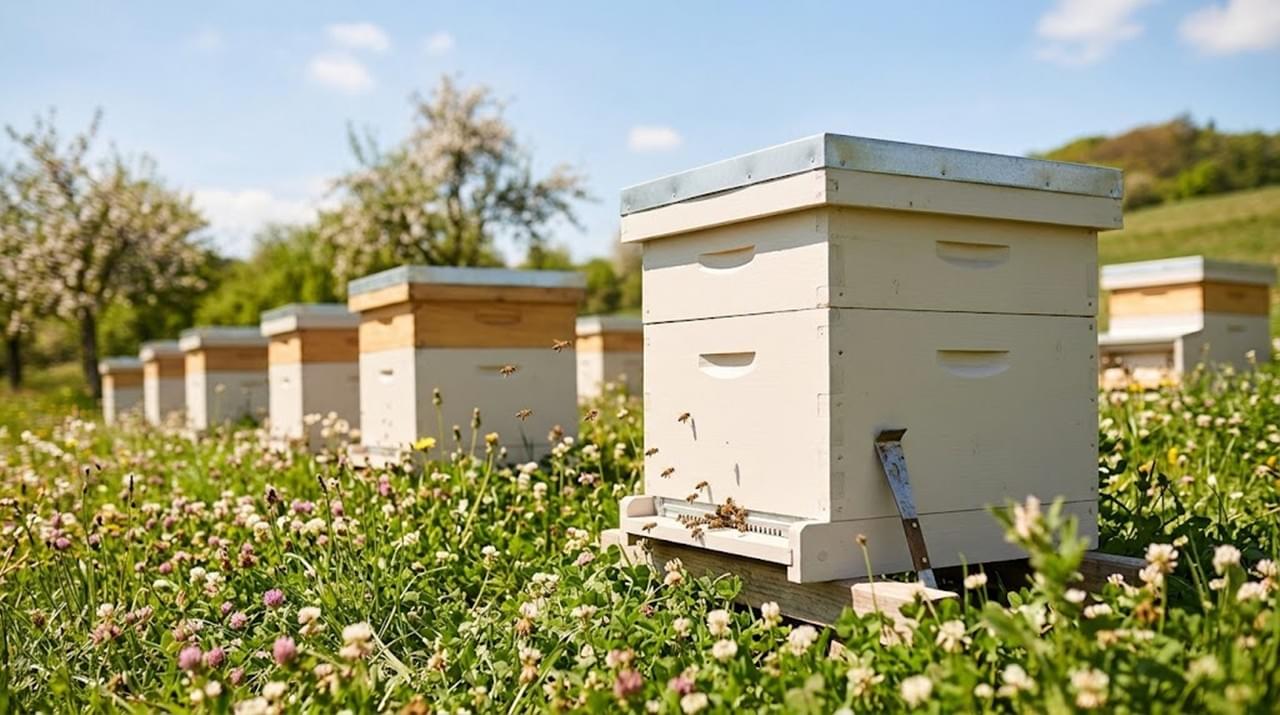
Beehives are much more than simple wooden boxes—they are the heartbeat of your apiary and a major financial investment. Without a dedicated routine, harsh weather, moisture, and pests can quietly destroy your hive setup within just a few seasons.
Mastering beehive maintenance isn’t just about preserving timber; it’s about giving your honeybee colonies a safe, hygienic environment where they can build comb and store honey efficiently. Whether you keep two hives in your backyard or manage a commercial yard, proper beekeeping equipment care saves you hundreds of dollars in replacement costs over time.
Table of Contents
Toggle🧼 1. Disease Prevention Through Beehive Maintenance and Cleaning
Good sanitation inside the hive is your primary wall of defense against colony collapse and pathogen outbreaks. Old propolis, burr comb, and hive debris accumulate rapidly during peak nectar flows.
- Parasite and Pathogen Control: Accumulated hive debris traps moisture and harbors harmful spores like European Foulbrood (EFB) or Varroa mite hideouts. Adhering to strict USDA Bee Health Guidelines for cleanliness reduces pathogen loads significantly.
- Restoring Vital Airflow: Blocked entrance reducers and filthy bottom screens stop fresh air from circulating, causing high internal humidity and destructive interior mold.
- Routine Scraping Protocols: Keep a sharp hive tool handy during every inspection. Scrape frame rests and box edges clean, and always discard old wax away from the yard to prevent robbing.
Understanding proper beehive cleaning and sanitizing keeps your colonies healthy and your wooden boxes structurally solid season after season.
🔍 2. Catching Early Damage with Regular Beehive Maintenance Checks
Structural decay usually starts small before ruining an entire brood chamber. Spotting subtle signs of wear early is the smartest way to extend wooden beehive lifespan.
- Identifying Wood Rot Early: Inspect corners, dovetail joints, and bottom board edges after heavy rainfall. Water trapped between supers quickly turns solid pine or cedar soft and brittle.
- Monitoring Hidden Pests: Wax moths and small hive beetles thrive in dark, unattended corners. Look for fine webbing on frames or beetle larvae crawling underneath bottom boards.
- Tightening Hardware: Check side handles, latches, and frame runners for rust or loose screws. Fixing a loose handle today prevents a disastrous box drop while carrying heavy honey supers tomorrow.
Consistent seasonal inspections turn massive equipment losses into quick, painless five-minute weekend touch-ups.
🎨 3. Protecting Wood Surfaces in Beehive Maintenance Routines
Outdoor timber takes a beating from scorching UV rays, summer downpours, and freezing winter frost. Applying proper protective surface coatings prevents premature warping and split joints.
- Applying Exterior Paint: Coat external box walls with non-toxic, exterior-grade latex paint or natural oils like raw linseed oil. Never paint the inside of a hive, as bees coat interior walls with natural propolis anyway.
- Natural Dipping Techniques: Hot paraffin wax or beeswax-rosin dipping provides deep wood penetration, creating an impermeable water barrier without synthetic chemical fumes.
- Sealing Vulnerable End-Grain: Pay extra attention to exposed box corners. End-grain absorbs water up to ten times faster than flat boards, making thorough edge sealing critical for long-term durability.
🛠️ 4. Frame and Component Care in Beehive Maintenance Work
You rarely need to scrap an entire hive setup when only individual components wear out. Smart component repairs keep your overall equipment setup running smoothly at minimal cost.
- Brood Frame Rotation: Rotate dark, older brood comb out of service every 3 to 5 years. This removes accumulated environmental toxins and gives your queen fresh space to lay.
- Elevating Bottom Boards: Solid and screened bottom boards rot fastest because they sit close to damp ground. Sand down rough edges and place hives on stands raised 12 to 18 inches high.
- Sealing Roof Covers: Check metal-capped outer covers for punctures or rust spots. Reseal small hairline cracks with waterproof exterior sealant to stop rain from leaking into the cluster area.
❄️ 5. Winter Storage Strategies for Beehive Maintenance
Storing unused honey supers properly over winter prevents pest destruction and keeps stored combs intact for next spring’s nectar flow.
- Complete Decontamination: Before stacking boxes for winter, scrape off residual honey, wax, and propolis. Air-dry components completely in bright sunlight before storing them indoors.
- Ventilated Storage Space: Store empty supers in a clean, well-ventilated shed or barn, keeping boxes elevated off concrete floors on wooden pallets.
- Pest Exclusion: Stack supers vertically in a chimney layout, capping top and bottom openings with hardware wire cloth to keep mice, rats, and moths completely out.
🍯 Upgrade Your Apiary with High-Quality Delee Equipment
Using reliable, precision-crafted equipment makes routine maintenance easier and drastically extends the working life of your apiary setup.
- Delee Durable Beehives: Engineered from kiln-dried timber with reinforced precision joints, our hives resist warping and harsh weather.
- Delee Stainless Steel Tools: Ergonomic scrapers and hive tools give you clean leverage for propolis removal without gouging soft wood.
- Delee Protective Components: Explore our full range of metal-capped telescoping covers, bottom boards, and hive accessories at the official Delee Beekeeping Equipment Catalog.
Protect your investment and keep your honeybees thriving year-round with professional-grade gear designed by beekeepers, for beekeepers.