
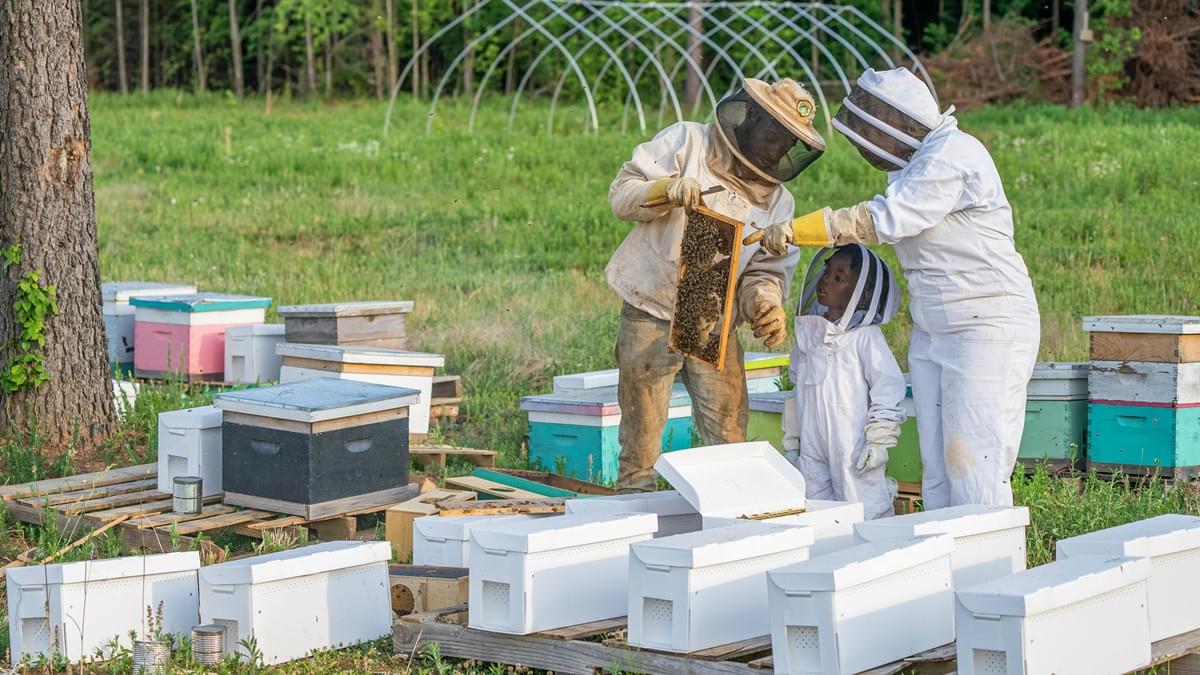
Embarking on the journey to expand your beekeeping operation can be daunting, especially for those new to the craft. Fear not, for there are tried-and-true methods that both novices and seasoned beekeepers can follow. Let’s dive into these three essential steps to boost your bee population effectively.
Table of Contents
ToggleStep 1: Cultivating Strong Colonies for Artificial Swarm Preparation
The first step in expanding your bee empire is to focus on building strong colonies. Here’s the buzz on how to get it right:
- Resist the urge to expand too quickly: Don’t just add combs willy-nilly. Instead, “go with the flow” of your bees. Only expand when there’s an abundance of nectar, it’s the breeding season, and you’ve got more bees than combs.
- Maintain a robust colony: A strong colony has a high density of worker bees, which enhances its cleaning and brood protection capabilities. This leads to high-quality brood during the breeding season and fewer pests during the challenging summer months.
The Importance of a New Queen
- Time for a queen swap: Especially in warmer climates, replacing the queen is crucial. A new queen can suppress swarming fever and her vigorous egg-laying can counteract the effects of external temperatures on colony growth. Making the queen swap a regular part of your routine is a royal move for maintaining a strong colony.
Step 2: Preparing for Artificial Swarming
As your colonies grow stronger, don’t just wait for nature to take its course. Be ready to intervene with artificial swarming during the “swarming season.”
- Don’t be greedy with colony numbers: Artificial swarming should also “go with the flow” of your bees. Watch for signs of swarming, especially in spring and autumn, and around the nectar flow.
- Manage swarming fever: If a strong colony doesn’t show swarming fever before the flow, it’s a honey-producing goldmine. Manage weak swarming fever by removing queen cells.
- Intervene when necessary: If you see strong swarming fever signs, like “beard bees” at the hive entrance, it’s time to split. The key is preventing “returning bees.” By moving the old queen with some combs to a new hive and introducing a new queen to the original, you can reduce the number of bees returning to the original hive.
Step 3: Helping Your Colonies Recover and Thrive Post-Swarming
After the split, if your colonies seem to be weakening, it’s likely because you haven’t helped them “bounce back.” Here’s how to nurse them back to health:
- Adapt to changing nectar flows: Post-swarming, consider the changing nectar flow and the structure of your hive. Worker bees tire from采集 nectar, and as older bees age out, the colony’s strength declines.
- Focus on recovery: Shift the focus from honey production to strengthening the hive. Ensure they have enough honey stores to weather the dearth periods and the challenging summer and winter seasons. Maintain a steady colony size and wait for the next nectar flow before expanding again.
Conclusion:
By following these three steps—building strong colonies, preparing for artificial swarming, and helping your colonies recover—you’ll be well on your way to a thriving apiary. Remember, beekeeping is a delicate dance with nature, and by following these steps, you’ll be in sync with the buzz of your bees. Happy beekeeping!