
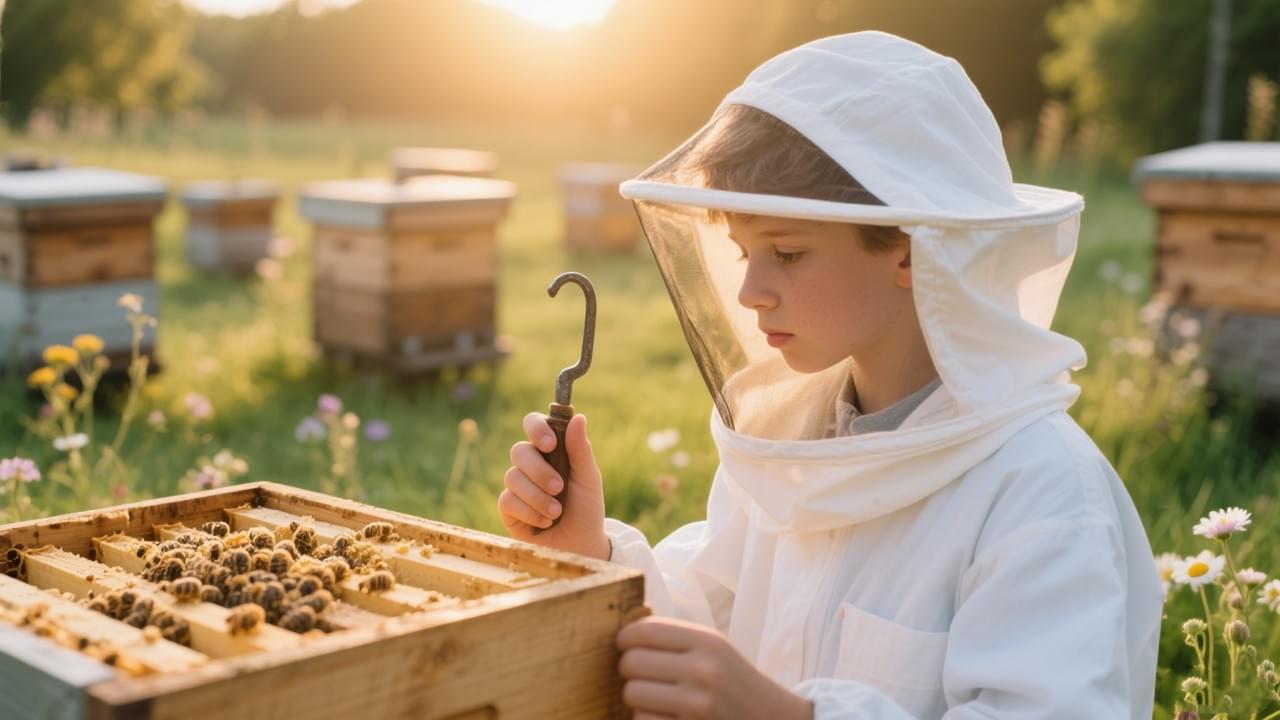
Embarking on the rewarding journey of beekeeping is an adventure like no other. The thought of nurturing your own colony and harvesting pure honey is exciting, but for many beginners, figuring out which beekeeping equipment is truly necessary can be daunting. There are countless tools and gadgets available, and it’s easy to get lost. To ensure your safety and the health of your bees, you need a clear, reliable checklist.
This comprehensive guide cuts through the clutter to present the 10 most indispensable items of beekeeping equipment you need to get started. We’ll explore each tool’s purpose and explain how they work together to make your experience smoother and safer. By the end, you’ll have a clear understanding of the essential beekeeping tools for beginners, setting the stage for a thriving apiary.
Table of Contents
Toggle1. Your First Line of Defense: Protective Gear
Your personal safety is paramount. Bees are generally gentle, but they can and will sting if they feel threatened. Proper beekeeping protective gear not only shields you from stings but also gives you the confidence to work calmly. This gear, which is a core component of any beekeeping starter kit, includes a full-body suit or jacket made of a thick, durable fabric, as well as gloves. Look for suits with elastic cuffs to prevent bees from crawling inside.
2. The Bee Calmer: The Smoker
The smoker is arguably the most iconic and useful item of beekeeping equipment. Its purpose is to calm the bees, making hive inspections and honey harvesting significantly easier and safer. Smoke disrupts the bees’ alarm pheromones and makes them think their hive is on fire, causing them to gorge on honey in preparation for a potential evacuation. A bee with a full stomach is a placid bee, less likely to sting.
3. The Multi-Purpose Tool: The Hive Tool
Every beekeeper must have a hive tool. This is a multi-purpose pry bar and scraper, a critical piece of beekeeping equipment. Bees use propolis to seal every crack in the hive, which makes it difficult to open the boxes or lift frames. You will use the hive tool to gently pry apart hive components and scrape away excess wax or propolis.
4. The Gentle Touch: The Bee Brush
A bee brush is a soft-bristled brush used to gently move bees away from a frame or an area you need to work on. Unlike a gloved hand, which could accidentally crush a bee, a bee brush allows you to clear them from a spot without causing them any harm. This gentle handling is crucial for maintaining the calm of the hive.
5. Feeding Your Colony: Bee Feeders
There are times when a beekeeper needs to supplement the colony’s food source to ensure its health. This is where a bee feeder comes in. Feeding can be necessary for new colonies to help them get established, or during periods of nectar scarcity, such as a drought or a long winter.
6. A Home for Your Bees: Hives, Frames, and Foundation
While not technically a tool, the hive is the most significant piece of beekeeping equipment you will purchase. The Langstroth hive is the most popular choice due to its modular design with removable frames, which makes management and expansion straightforward. You’ll also need frames and foundation—the structures that bees build their honeycomb on.
7. Queen Management Tools
Managing the queen is one of the most important tasks for a beekeeper. To do this safely, you’ll need specialized tools like a queen cage and a queen catcher. A queen cage is used to safely introduce a new queen to a colony, allowing the bees to get used to her scent. A queen catcher helps you gently secure the queen for inspection without risking injury.
8. The Honey Extractor
To get honey out of the frames without damaging the comb, you’ll need a honey extractor. This mechanical device uses centrifugal force to spin the honey out of the combs. A good extractor is a significant investment in your beekeeping equipment, but it makes harvesting a quick and efficient process.
9. The Uncapping Knife & Honey Filter
When it’s time to harvest honey, you’ll need a tool to remove the wax caps that seal the honey cells. The uncapping knife or uncapping fork is the perfect tool for this job. After extraction, your honey will likely contain small bits of wax. A honey filter is a simple but essential tool used to remove these impurities, ensuring your final product is clean and clear.
10. Additional Tools for Success
Beyond the main items, a few other tools will make your life as a beekeeper much easier. This includes a bee suit, gloves, and boots. These are often sold as a comprehensive beekeeping starter kit to help you begin your journey with confidence.
Starting your beekeeping journey with the right beekeeping equipment is the best way to ensure a smooth and enjoyable experience. This checklist of indispensable items is designed to give you a solid foundation. Remember, beekeeping is a learning process, and the right tools are your partners in that journey. Focus on these essentials to lay the groundwork for a thriving and productive apiary.
Ready to begin? Explore our full range of beekeeping starter kits and essential tools to get started with confidence.