
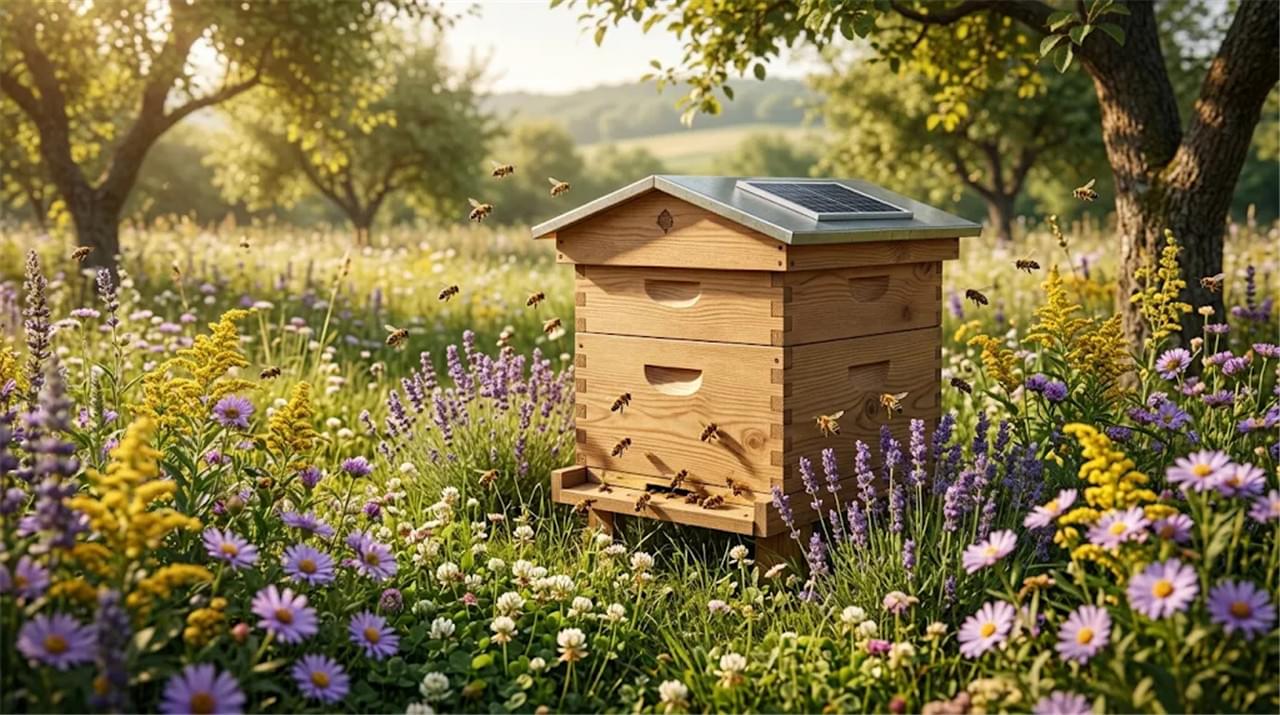
True sustainable beekeeping is about far more than filling jars with golden honey—it is a hands-on commitment to safeguarding pollinators and healing our local ecosystems. With wild and managed bee colonies facing relentless pressure from habitat loss, erratic weather, and harsh agricultural chemicals, every beekeeper holds the power to make a tangible difference.
Whether you tend two hives in a quiet backyard or manage a bustling commercial yard, adopting eco-friendly beekeeping practices builds healthier, more resilient colonies. By working with nature instead of against it, you protect your bees while fostering a cleaner, thriving planet.
Table of Contents
Toggle1. Put Bee Welfare First in Sustainable Beekeeping 🐝
At the core of sustainable beekeeping lies a simple mindset shift: treating the colony as a living superorganism rather than a honey-making machine. Conventional methods often push bees to their physical limits through constant trucking, heavy sugar feeding, and aggressive honey stripping.
When you prioritize natural comb building and low-stress routines, your bees develop stronger immune responses on their own. A calm, well-nourished colony naturally produces surplus honey over time, turning your apiary into a true partnership between keeper and hive.
2. Build a Chemical-Free Hive Management Routine 🌿
Ditching synthetic miticides and routine antibiotics is one of the fastest ways to elevate your apiary. Harsh chemical strips leave stubborn residues in beeswax, weaken bee genetics across generations, and breed treatment-resistant Varroa mites.
- Lean on Integrated Pest Management (IPM): Combine screened bottom boards, drone brood trapping, and powdered sugar dusting to keep mite numbers low naturally.
- Choose Gentle Organic Acids: When intervention is unavoidable, reach for vaporized oxalic acid, formic acid, or thymol treatments that break down cleanly without tainting your wax.
- Scout Clean Foraging Zones: Place your hives well away from conventionally sprayed row crops so your foragers bring home pure, toxin-free nectar.
3. Boost Local Bee-Friendly Biodiversity 🌸
Thriving pollinators need rich, varied landscapes, and planting native flora around your yard directly fuels bee-friendly biodiversity. Indigenous wildflowers, flowering shrubs, and native trees have co-evolved with local bees, offering nectar and pollen they can easily digest.
Plan your garden for continuous bloom from early spring bulbs to late-autumn asters and goldenrod. Just as importantly, skip the lawn herbicides—letting white clover and dandelions carpet your yard gives hungry foragers an effortless, chemical-free buffet right outside their front door.
4. Practice Low-Intervention Sustainable Beekeeping 🔍
Ethical hive care means respecting the delicate microclimate inside the box. Every time you crack open a hive, you break propolis seals, chill developing brood, and trigger defensive stress that burns through precious honey stores.
Open your colonies only with a clear purpose—such as verifying a laying queen in spring, running an alcohol wash for mites, or checking autumn weight. Always leave generous reserves of capped honey and bee bread so your colonies winter on their own superior nutrition rather than refined syrup.
5. Escape the Trap of Monoculture Foraging 🌻
Migratory pollination often drops hives into endless miles of a single crop like almonds or canola. While profitable for industrial farming, monoculture diets are the bee equivalent of eating plain white bread every single day. Single-source pollen lacks the full spectrum of amino acids and micronutrients required for robust brood rearing.
Stationary apiaries tucked near mixed meadows, woodlands, and diverse gardens give bees access to polyfloral pollen. Varied nutrition strengthens gut health, improves winter survival, and helps bees detoxify environmental pollutants naturally.
6. Power Your Sustainable Beekeeping Yard with Solar Energy ☀️
Modern sustainable beekeeping also extends to the hardware supporting your apiary. Tapping into renewable energy shrinks your carbon footprint while making remote, off-grid yards far easier to run.
- Solar Electric Fencing: Keep bears and curious wildlife out of remote bee yards using sun-powered energizers that run reliably without disposable batteries.
- Passive Solar Wax Melters: Render old burr comb into clean beeswax blocks using free sunlight instead of burning gas or grid electricity.
- Solar Hive Monitors: Track internal brood temperatures and hive weight year-round with compact, solar-charged sensors.
7. Gear Up with Eco-Friendly Tools from Delee Beekeeping Equipment 🛠️
Switching to chemical-free hive management and low-waste routines feels effortless when your gear is built to last for decades. Delee Beekeeping Equipment crafts reliable, earth-conscious tools engineered for responsible apiarists:
- Sustainably Sourced Wooden Hives: Browse our durable cedar and pine Langstroth beehives for superior natural insulation, breathable moisture control, and zero plastic waste.
- Natural Pest Control Gear: Explore our ventilated screened bottom boards and oxalic acid vaporizers to keep Varroa mites in check without synthetic chemicals.
- Off-Grid Solar Solutions: Protect remote yards with our solar electric fence energizers and pair your harvest with raw, traceable honey standards championed by FAO Pollinator Conservation Guidelines.
Ready to make every season healthier for your colonies and the planet? Step into the future of sustainable beekeeping—visit Delee Beekeeping Equipment today to explore eco-friendly gear built for beekeepers who care.