
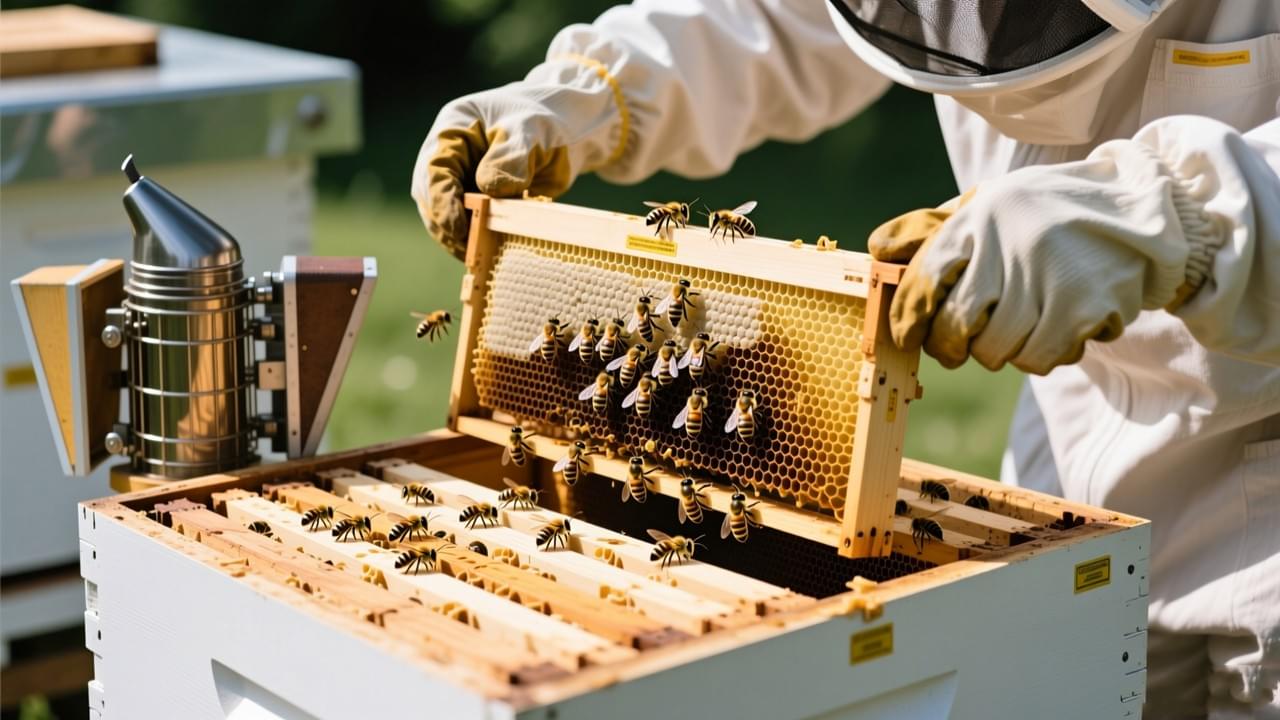
Swarm prevention in beekeeping is not only a technical concern—it is a business-critical factor for commercial apiaries, professional beekeepers, and B2B partners across the beekeeping supply chain. For operations managing dozens or hundreds of colonies, uncontrolled swarming directly translates into labor inefficiency, reduced honey output, and unstable production forecasts.
For equipment suppliers, understanding swarm dynamics is equally important. Well-designed hive systems, standardized components, and scalable management tools play a decisive role in helping clients maintain stable, high-performing colonies.
Table of Contents
Toggle📉 Why Swarm Prevention in Beekeeping Matters for Commercial Operations
In large-scale apiaries, a single unmanaged swarm can disrupt far more than one colony. It affects:
- 📦 Honey yield predictability
- 👷 Labor planning and inspection cycles
- 📊 Annual production contracts and supply commitments
- 🐝 Colony strength for pollination services
Effective swarm prevention in beekeeping enables commercial producers to maintain population stability during peak nectar flows, ensuring that workforce capacity aligns with market demand rather than biological surprises.
🧬 Swarming Triggers: What Equipment Buyers Should Understand
From a B2B perspective, honey bee swarming prevention starts with recognizing the environmental and structural factors that equipment can influence:
- Overcrowded brood areas caused by insufficient hive volume
- Poor internal airflow and heat regulation
- Limited modular expansion options
- Aging queens combined with rapid spring buildup
According to FAO beekeeping management guidelines, congestion remains the most consistent predictor of swarming behavior.
This highlights why scalable hive design is not optional—it is foundational.
🔍 Early Swarm Indicators in High-Density Apiaries
In commercial settings, early detection must be efficient and repeatable. Key indicators include:
- Presence of queen cups across multiple colonies
- Uneven brood patterns despite strong populations
- Increased drone production earlier than expected
- Clustering behavior at hive entrances during peak flow
Standardized hive layouts and inspection-friendly designs significantly reduce inspection time, improving overall beehive swarm management efficiency.
🏗️ Strategy 1–3: Infrastructure-Led Swarm Prevention
📦 1. Modular Hive Expansion at Scale
Commercial apiaries require hive systems that allow rapid super addition without disrupting colony structure. Drawn comb compatibility and precise box alignment reduce labor time while supporting honey storage.
👑 2. Queen Management as a Production Variable
From a B2B lens, queen replacement is not a biological detail—it is a production input. Equipment that supports easy queen access and cage integration simplifies systematic requeening programs.
🔄 3. Brood Nest Optimization Through Design
Frames with consistent spacing and high structural integrity enable brood redistribution without damaging comb, supporting swarm prevention while maintaining brood health.
✂️ Strategy 4–5: Operational Control & Predictability
🧪 4. Controlled Splitting for Business Continuity
Artificial splitting allows producers to convert swarm pressure into planned colony expansion. For suppliers, this increases demand for standardized hive bodies, frames, and feeders.
📆 5. Inspection Rhythm Enabled by Equipment
When inspections must occur every 7–10 days during spring, equipment durability and ergonomic design become critical. Poor-quality components increase breakage, downtime, and labor costs.
General equipment standards referenced by global authorities can be found here:
👉 https://en.wikipedia.org/wiki/Beekeeping
🛠️ Strategy 6–7: Equipment Quality & Long-Term ROI
🧰 6. The Role of Equipment in Swarm Prevention in Beekeeping
Reliable hive bodies, moisture-resistant materials, and consistent internal dimensions directly influence colony stress levels. For B2B buyers, equipment lifespan and compatibility across seasons determine return on investment.
Many professional operations align procurement with sustainability and pollinator health standards promoted by organizations such as the USDA
👉 https://www.usda.gov/pollinators
🌱 7. Sustainability, Scale, and Supplier Responsibility
Swarm prevention supports healthier overwintering colonies, reducing replacement costs and stabilizing long-term supply. Equipment suppliers that design for colony stability contribute directly to sustainable beekeeping ecosystems.
🤝 What This Means for B2B Equipment Suppliers
For suppliers serving commercial beekeepers, swarm prevention in beekeeping is not just an educational topic—it is a product value proposition.
High-quality, scalable equipment helps clients:
- Maintain consistent honey output
- Reduce colony loss
- Improve labor efficiency
- Strengthen long-term partnerships
Suppliers who understand these biological and operational pressures are better positioned to support professional apiaries and build trust-based, repeat B2B relationships.
✅ Final Perspective
Swarm prevention in beekeeping bridges biology and business. For commercial apiaries, it protects productivity. For equipment suppliers, it defines relevance and reliability in a competitive market.
By aligning equipment design with real swarm management needs, B2B suppliers become strategic partners—not just vendors—in the modern beekeeping industry. 🍯🐝