
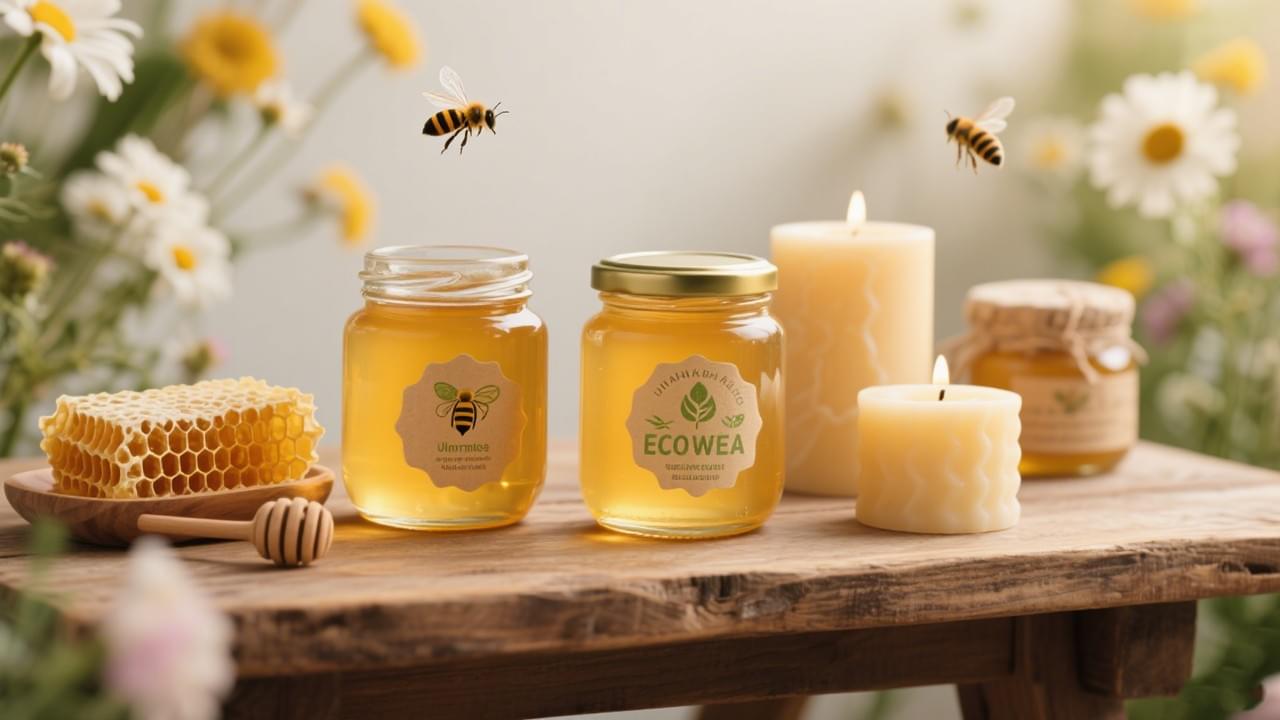
Beekeeping today is more than a hobby—it’s a business with growing opportunities. As health-conscious consumers increasingly prefer natural and organic products, bee products marketing has become essential for turning honey, beeswax, propolis, and royal jelly into profitable ventures. By applying the right strategies, small and mid-size beekeepers can compete effectively with large producers.
In this guide, we’ll cover 7 proven strategies to help you sell your bee products successfully, from building brand trust to expanding digital presence.
Table of Contents
Toggle1. Build a Strong Brand Identity
Branding is the foundation of effective bee products marketing. A strong identity makes your products memorable and trustworthy.
- Use eco-friendly packaging and clear labeling to attract conscious buyers.
- Tell your story—highlight local production, sustainable practices, or family tradition.
- Showcase certifications such as organic or raw honey to build credibility.
2. Diversify Your Sales Channels
Relying on a single outlet limits growth. Consider:
- Local sales through farmers’ markets and specialty shops.
- E-commerce platforms to reach customers beyond your region.
- Partnerships with restaurants and cafés that value unique honey.
- Subscription boxes or seasonal bundles to build loyal repeat customers.
This multi-channel approach ensures stable demand and stronger customer reach.
3. Educate Your Customers
Consumers love learning the story behind their food. Educating buyers adds value to bee products marketing strategies:
- Share social media posts about honey health benefits and recipes.
- Organize honey-tasting events to highlight the difference between raw and processed honey.
- Write short blog posts on how propolis or royal jelly supports wellness.
Education builds authority and encourages customers to pay premium prices.
4. Leverage Digital Marketing Tools
In today’s world, no bee product business can thrive without digital visibility.
- Optimize your website for organic honey marketing with SEO keywords.
- Use Instagram and TikTok to post behind-the-scenes hive moments.
- Run email campaigns with seasonal promotions and bee care tips.
A consistent online presence ensures your products are discoverable and shareable.
5. Add Value with Product Diversification
Honey may be the star, but diversifying maximizes income:
- Beeswax for candles, cosmetics, or wraps.
- Propolis for natural remedies and skincare.
- Royal jelly as a premium health supplement.
- Infused honeys with herbs, spices, or fruit for niche markets.
Product variety positions your brand as innovative and flexible.
6. Focus on Quality and Transparency
Trust is non-negotiable. Consistently delivering pure, authentic products builds long-term loyalty.
- Avoid over-processing and keep honey as natural as possible.
- Maintain high hygiene standards during extraction and storage.
- Be transparent—show customers your commitment to sustainability and bee welfare.
7. Create Emotional Connections with Storytelling
Stories sell. Whether it’s protecting local biodiversity, supporting pollination, or running a family apiary, weave these values into your bee product business strategies. Buyers are more likely to support brands that resonate emotionally with them.
Mastering bee products marketing requires more than selling honey—it’s about brand identity, education, and meaningful customer connections. By diversifying products, leveraging digital tools, and highlighting authenticity, you can transform your beekeeping passion into a thriving and sustainable business.