
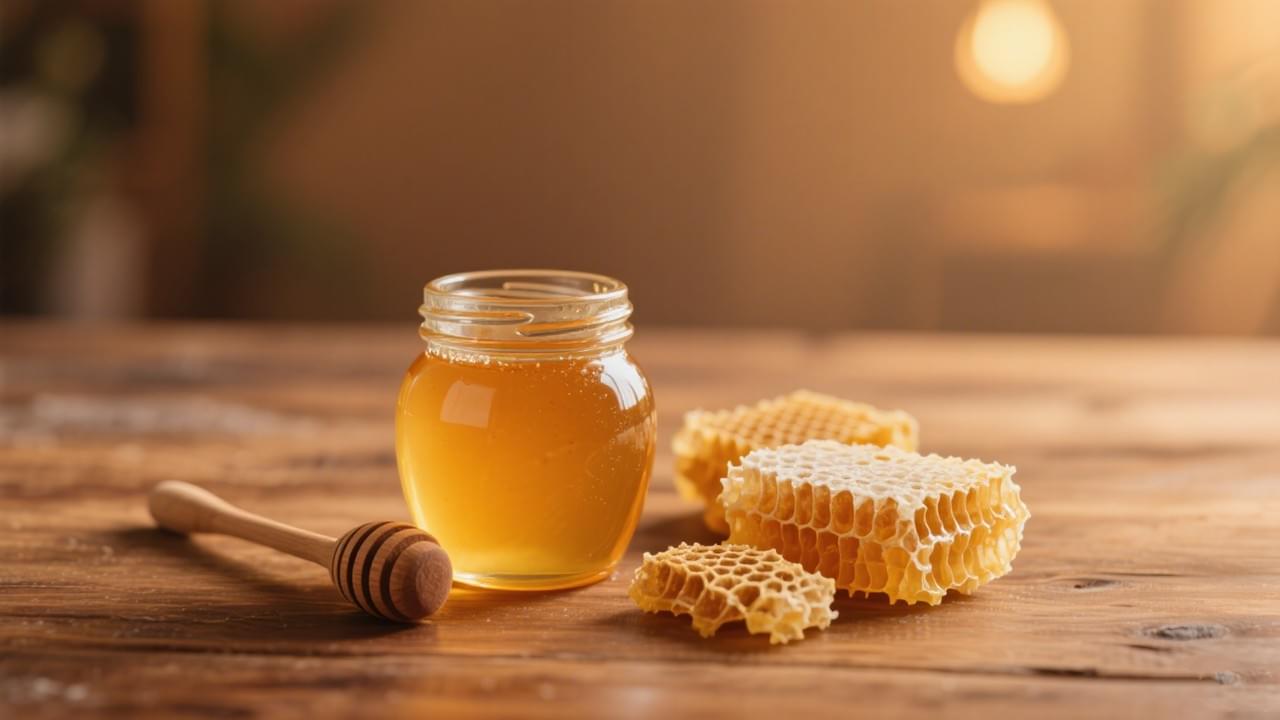
Honey crystallization is a common challenge beekeepers face when harvesting honey, but with the right techniques, it doesn’t have to be a hassle. If you want to maintain your honey’s smooth, liquid texture and increase extraction efficiency, this guide will provide you with all the necessary insights. In this post, we’ll explore easy-to-implement methods to prevent crystallization and ensure that your honey extraction process is both effective and efficient.
Table of Contents
ToggleUnderstanding Honey Crystallization: Why It Happens
Honey crystallization occurs when the glucose in honey forms crystals, turning the liquid honey into a solid. This process happens naturally over time, especially with honey varieties like clover or wildflower. The speed of crystallization can be influenced by the glucose-to-fructose ratio in the honey and how it’s stored. Honey that contains a higher glucose content is more likely to crystallize faster.
By understanding the causes, you can apply certain methods to slow or prevent crystallization while still preserving the honey’s rich flavor and health benefits.
1. Store Honey at the Right Temperature
Proper storage is key to preventing honey from crystallizing too quickly. The ideal temperature for honey storage is between 50°F and 60°F (10°C and 15.5°C). If you store honey in colder conditions, it will crystallize faster. On the other hand, storing it at higher temperatures—above 80°F (26°C)—can degrade its quality over time.
2. Extract Honey Timely to Prevent Crystallization
The sooner you extract honey after the bees have capped the combs, the better. Delaying extraction can lead to crystallization within the hive. If you’re dealing with honey that’s already starting to crystallize, it’s best to extract it as soon as possible to avoid further complications.
When harvesting, use an efficient honey extractor to reduce the chances of crystallization during the extraction process. Timely extraction helps preserve the honey’s liquid form, maximizing yield and quality.
3. Use a Honey Warmer for Crystallized Honey
If your honey has already crystallized, there’s no need to panic. You can reverse crystallization with the right technique. The best way to do this is by gently warming the honey. Place the honey container in a warm water bath (ensuring the temperature doesn’t exceed 110°F or 43°C). This will dissolve the crystals without compromising the honey’s natural enzymes.
You can also use a honey warming cabinet to maintain a controlled temperature and prevent overheating. This allows for the smooth extraction of crystallized honey, ensuring its purity and quality.
4. Optimize Your Honey Extraction Process
Using the right equipment can significantly improve the efficiency of honey extraction and prevent crystallization issues. A high-quality honey extractor is crucial for maximizing honey yield. Opt for a radial extractor that can handle multiple frames at once to speed up the extraction process. For best results, choose an electric honey extractor, which can efficiently handle large volumes of honey without compromising its quality.
Moreover, ensure your uncapping tools are sharp and well-maintained to remove the wax caps from honeycombs cleanly. Proper uncapping and extraction techniques will help reduce the amount of crystallized honey in the extraction process.
5. Store Honey Properly After Extraction
Once you’ve extracted the honey, proper storage is essential to maintain its quality and prevent premature crystallization. Keep honey in airtight containers and store it in cool, dry places. Ideal storage conditions will help keep the honey smooth and liquid longer.
Honey Crystallization Doesn’t Have to Be a Hassle
Preventing honey crystallization and improving the efficiency of your honey extraction process is simple when you implement the right strategies. Storing honey at the right temperature, extracting it on time, and using the best equipment will help you maintain the quality and liquid texture of your honey. Even if your honey has already crystallized, there are effective methods to return it to its liquid form.
By adopting these tips, you’ll be able to enjoy a smoother extraction process, preserve the quality of your honey, and make the most out of each harvest.