
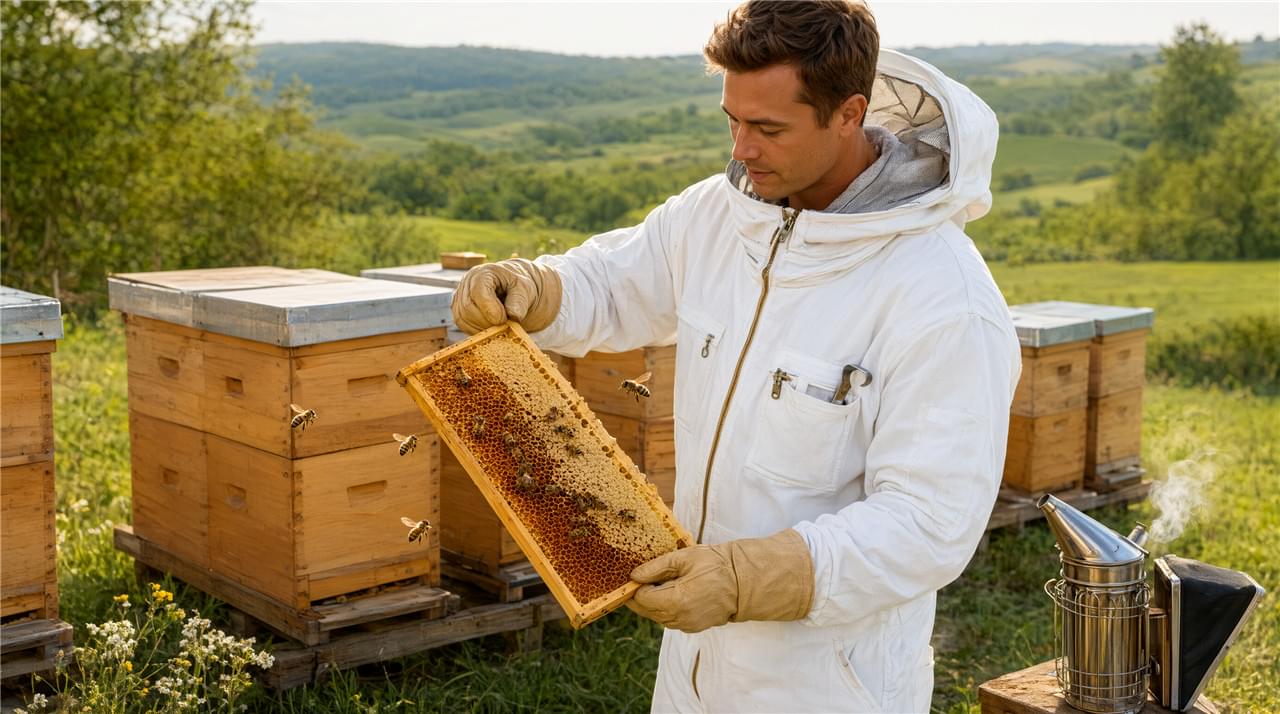
Beekeeping protective clothing is more than a barrier between you and an occasional bee sting. The right equipment helps you stay calm, move naturally, and focus on the colony instead of worrying about what might crawl inside your sleeves. For beginners, good protection can make the first hive inspections far less intimidating. For experienced beekeepers, the priority may shift toward ventilation, flexibility, and faster movement.
Choosing the right equipment means balancing protection with comfort. A suit that feels heavy and restrictive may be safe, but you may dread wearing it on a hot afternoon. A lightweight option may feel great, yet leave too little protection for a defensive colony. The goal is to choose beekeeping protective clothing that fits your work, climate, and experience level.
Table of Contents
Toggle🛡️ 1. Start With the Level of Protection You Really Need
The first question is simple: how much coverage do you need?
A full bee suit offers the most complete body coverage and is often the safest starting point for new beekeepers. Jackets can be more convenient for short inspections, especially when paired with suitable trousers and footwear. At a minimum, however, face and neck protection should never be overlooked.
The source document for this article specifically identifies protective suits, sting prevention, and breathable materials as the central considerations when selecting beekeeping equipment.
Texas A&M AgriLife Extension similarly recommends properly fitted protective equipment and notes that full suits provide the highest level of coverage, while jackets can offer adequate protection when combined with appropriate clothing.
For beginners wondering how to choose a beekeeping protective suit, starting with more coverage is usually the sensible choice. As your confidence and experience grow, you can decide whether lighter protection better suits your routine.
🌬️ 2. Choose Beekeeping Protective Clothing That Can Breathe
Hot weather can quickly turn a long hive inspection into an uncomfortable experience. This is where fabric construction matters.
Cotton suits remain popular because they are comfortable and familiar to wear. Polyester blends can offer better durability and faster drying. For warm climates, however, many beekeepers look for ventilated or multi-layer designs that allow more airflow while maintaining a protective distance between the bees and the skin.
The source document highlights breathable protective suits and specialized protective fabrics, including lightweight designs intended for hot conditions.
If summer inspections are part of your regular routine, a best breathable beekeeping suit may be worth the investment. Comfort is not a luxury—it can directly affect how long you can work carefully and efficiently.
👕 3. Pick the Right Style: Full Suit or Jacket?
Different beekeepers prefer different levels of coverage.
Full Beekeeping Suit
A one-piece suit is an excellent choice for beginners and anyone working with defensive colonies. It reduces the number of potential gaps between separate garments and provides consistent coverage from the upper body to the ankles.
Beekeeping Jacket
A jacket is lighter and easier to put on, making it useful for quick inspections. However, you must pay closer attention to the waist, wrists, and lower body to ensure bees cannot find an easy entry point.
The source document also includes integrated veil suits as a key option, alongside one-piece suits and jackets.
For additional guidance on safe hive work and protective equipment, Texas A&M AgriLife Extension’s protective clothing guide offers a useful external reference.
👁️ 4. Never Compromise on Veil Protection
Your veil is one of the most important parts of your beekeeping protective clothing.
A good veil should protect the face, head, and neck while maintaining enough space between the mesh and your skin. If the veil presses against your face when you bend over, a bee may still be able to sting through it.
Look for:
- Clear, unobstructed visibility
- Strong mesh that keeps its shape
- Secure attachment around the neck
- Reliable zippers or closures
- Comfortable ventilation
The source document identifies fencing-style, helmet-style, integrated, round, and full-face veil options, with different advantages in visibility and coverage.
The University of Florida also emphasizes that a veil protects the head, face, and neck and recommends protective equipment as an important part of safe beekeeping practice.
✋ 5. Match Your Gloves to the Job
Gloves involve a trade-off between protection and dexterity.
Leather gloves, including goatskin and cowhide options, generally provide stronger sting resistance and durability. Nitrile or thinner gloves can offer better sensitivity for delicate work but may provide less protection.
The source document specifically recommends considering material, fit, flexibility, wrist security, and extended arm coverage when selecting beekeeping gloves.
For beginners, extra protection can provide valuable confidence. For experienced beekeepers handling frames that require precision, greater finger sensitivity may become more important.
📏 6. Get the Fit Right—Loose, but Not Oversized
One of the most common mistakes is choosing beekeeping protective clothing that fits too tightly.
You should be able to bend, reach, lift hive components, and move comfortably without the fabric pulling against your skin or forcing the veil toward your face. At the same time, an excessively oversized suit can catch on equipment and make movement awkward.
A practical test is to put the suit on and imitate common hive movements: bend forward, raise your arms, squat, and reach for an imaginary frame.
Pay special attention to:
- Wrist closures
- Ankle coverage
- Leg length
- Zipper connections
- Veil attachment points
A properly fitted suit is safer and simply more pleasant to wear. Texas A&M specifically advises that bee suits and jackets should not fit tightly enough to pull across the body or draw the veil against the face.
🔍 7. Inspect and Maintain Your Protective Equipment
Even the best comfortable sting-resistant beekeeping clothing will lose effectiveness if it is damaged or poorly maintained.
Before entering the apiary, check for:
- Small holes or tears
- Loose stitching
- Damaged mesh
- Broken zippers
- Worn elastic cuffs
Regular cleaning is equally important. Keeping protective clothing clean helps maintain the equipment and removes residues from previous hive work. Agricultural and beekeeping safety guidance also recommends clean, well-maintained clothing with secure closures and no holes that could allow bees inside.
If you are building a complete setup, consider linking this article internally to related pages covering beekeeping gloves, beekeeping veils, bee smokers, and a broader essential beekeeping equipment checklist. The source document itself positions protective clothing as part of a wider collection of essential beekeeping tools.
🐝 Final Thoughts
The best beekeeping protective clothing is not necessarily the thickest or most expensive option. It is the equipment that gives you the right balance of sting protection, ventilation, visibility, mobility, and durability.
For new beekeepers, a full suit with a reliable veil and secure closures is often the smartest place to start. For regular work in warm weather, breathable materials and ventilated construction can make a noticeable difference. And regardless of experience, always check your equipment before approaching the hive.
Choose your protective gear carefully, maintain it well, and you will be able to work around your bees with greater confidence, comfort, and peace of mind.