
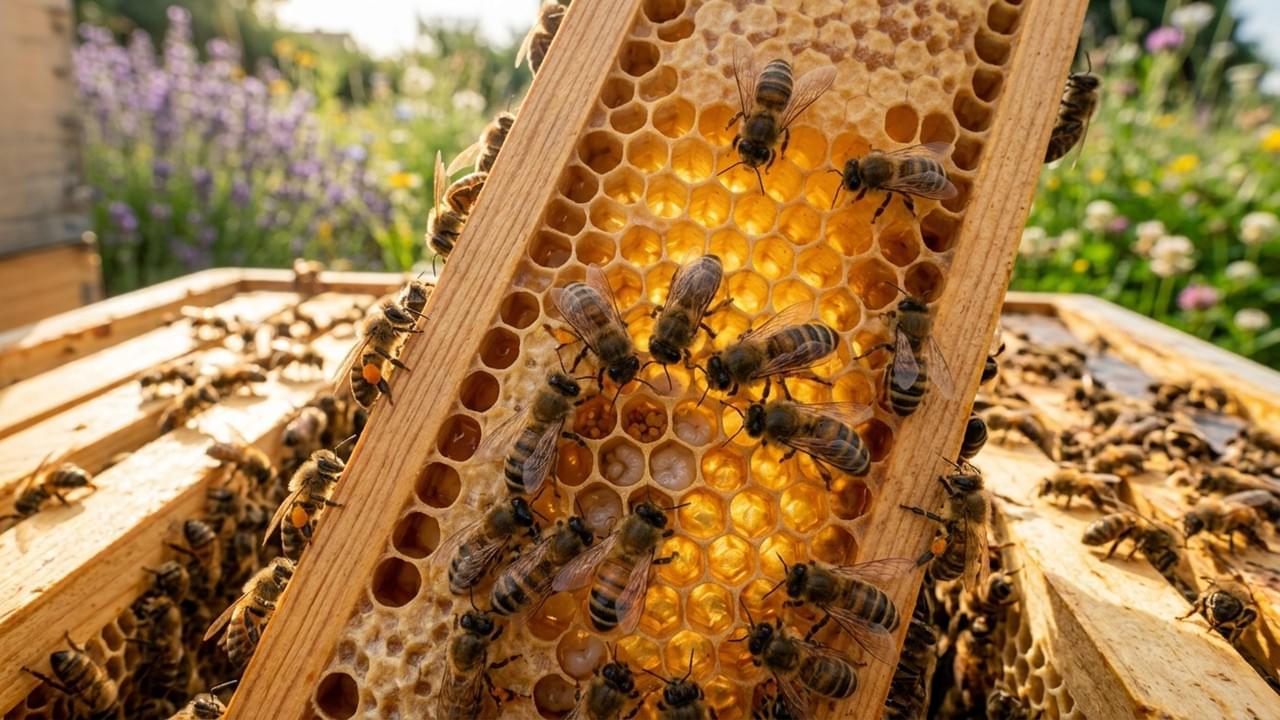
Every spring, beekeepers open their hives with a mix of hope and anxiety. Recent seasonal losses across commercial and backyard apiaries highlight a troubling reality: traditional reactive treatments simply aren’t enough anymore. When parasitic mites, unpredictable weather, and pesticide exposure hit all at once, a hive’s survival hinges on one core element—honeybee colony immunity. Rather than waiting for symptoms of disease to appear, successful apiary managers are shifting toward holistic, preventive care. Strengthening the natural defenses of your bees builds a resilient superorganism capable of weathering seasonal stress, suppressing viral pathogens, and maintaining strong honey production year-round.
Table of Contents
Toggle🍯 1. Optimize Nutrition to Elevate Honeybee Colony Immunity
When forage becomes scarce during late summer or early spring, a hive’s internal defense system quickly breaks down. Honeybee immunity relies heavily on the fat body—a vital organ similar to the human liver that produces essential immune proteins like vitellogenin. Without adequate pollen and nectar, nurse bees cannot synthesize royal jelly or maintain their own cellular health.
To maintain robust health during natural foraging gaps, commercial apiaries rely on balanced bee nutrition supplements alongside clean carbohydrate sources. High-protein pollen patties supply essential amino acids, while stimulative sugar syrup encourages steady brood development. Delivering syrup without spilling or disturbing the cluster requires reliable feeding tools; using high-quality hive feeders ensures your colony receives essential nutrients cleanly and efficiently. According to research from the Bee Informed Partnership, colonies backed by consistent seasonal nutrition show significantly higher winter survival rates.
🌡️ 2. Manage Microclimates to Preserve Honeybee Colony Immunity
A beehive is more than a wooden box; it is a climate-controlled ecosystem. Honeybees expend massive amounts of energy regulating brood nest temperatures between 34.5°C and 35.5°C. When extreme cold or high humidity forces bees to overwork, their immune functions take a backseat, leaving the hive vulnerable.
Winter dampness is far more dangerous to bees than freezing air. Condensation dripping onto a cluster causes rapid hypothermia, triggering dysentery and secondary infections. Installing properly vented inner covers and insulated hive components helps retain heat while allowing excess moisture to escape safely. Reducing thermal stress preserves energy reserves that worker bees desperately need to sustain their honeybee colony immunity and fight off biological threats.
🐝 3. Deploy IPM Protocols for Honeybee Colony Immunity
Biological parasites represent the most immediate threat to hive longevity. The Varroa destructor mite feeds directly on bee fat body tissue, vectoring deadly pathogens like Deformed Wing Virus (DWV). A rising mite load rapidly suppresses immune gene expression across the entire colony.
Implementing integrated pest management (IPM) allows you to keep mite populations below critical damage thresholds. Combining screened bottom boards, drone brood removal, and organic acid treatments forms a comprehensive line of defense. Evaluating effective varroa destructor control methods through regular alcohol washes ensures timely intervention before viruses spread. Data published by the USDA Agricultural Research Service demonstrates that monitoring mite counts monthly drastically reduces catastrophic autumn collapses. Clean comb management—rotating out 20% of old brood frames annually—further limits pesticide and pathogen buildup inside the brood chamber.
👑 4. Select Genetics that Enhance Honeybee Colony Immunity
The queen bee is the genetic anchor of the hive. Her genetic makeup determines not only colony temperament and honey yield, but also the workers’ innate hygienic drive. Hygienic behavior enables worker bees to detect, uncap, and remove diseased or parasitized brood before pathogens multiply.
Introduced stock bred for Varroa Sensitive Hygiene (VSH) or Russian traits offers exceptional natural defense against common apiary diseases. Re-queening weak or overly aggressive hives with disease resistant queen bees every 1 to 2 years strengthens the colony’s social immunity. A vigorous queen also releases high levels of queen mandibular pheromone (QMP), which stabilizes worker behavior, reduces stress, and fosters an organized, disease-resistant workplace.
🛡️ 5. Mitigate Environmental Toxins to Protect Honeybee Colony Immunity
Pesticides and agricultural chemicals pose a silent threat to foraging bees. Sub-lethal exposure to neonicotinoids and systemic fungicides disrupts gut microflora, impairs memory, and suppresses immune gene expression. Providing clean water stations near your apiary keeps foragers away from contaminated agricultural runoff. Furthermore, supplementing hives with probiotics during intensive spraying periods helps restore beneficial gut microbes, giving bees the metabolic strength needed to detoxify harmful compounds cleanly.
🌟 Building Sustainable Colony Health for the Future
Safeguarding your apiaries requires moving beyond quick chemical fixes toward a complete, preventive ecosystem approach to honeybee colony immunity. When you align high-quality nutrition, microclimate management, disciplined pest monitoring, and resilient genetics, your bees build the biological strength needed to thrive through every season.
Ready to upgrade your apiary management? Partner with Delee Beekeeping Equipment Supplier for durable hive systems, precision feeding solutions, and expert apicultural gear. Explore our full Delee Beekeeping equipment catalog today to equip your hives for long-term health, strong seasonal honey yields, and reliable winter survival!